The rhythm of daily life in Bali begins before sunrise. The sound of roosters, children’s laughter echoing from the bale banjar, and the distant hum of gamelan blend with the fragrance of incense. In village courtyards, women prepare offerings while elders gather under the shade of banyan trees to discuss the next ceremony. Here, tradition isn’t staged for an audience it’s lived. Every corner of a Balinese village holds a quiet devotion to culture and community.
But how do Bali’s villages keep centuries old traditions alive in the rhythm of everyday life?
The Structure of Tradition: Desa Adat and Banjar Life
At the heart of Bali’s enduring culture lies the desa adat, the traditional village system that preserves both spiritual and social harmony. Each village functions not only as a settlement but as a living institution where customs, rituals, and values are passed down through generations.
Within the desa adat, the banjar a local community organization plays a vital role. It coordinates temple festivals, music rehearsals, and community service (ngayah). Decisions are made collectively, and art grows naturally through collaboration.
The guiding principle of village life is menyama braya the philosophy of kinship that promotes unity, compassion, and shared responsibility. This sense of belonging keeps tradition flowing naturally, bridging the old and the new in perfect balance.
2. Daily Rhythms of Culture and Togetherness
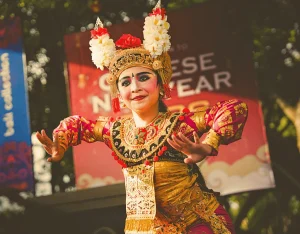
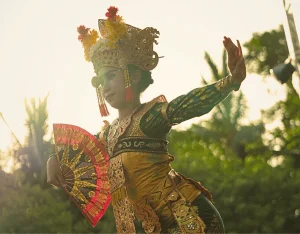
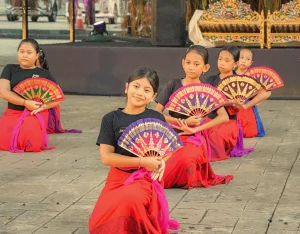
Walk through any Balinese village, and you’ll see that art and ritual are part of daily life. In the afternoons, children practice dance steps in open pavilions, following their teachers’ graceful movements. Nearby, the sound of kendang drums marks a gamelan rehearsal preparing for the next temple festival.
Villagers work together to decorate the temple courtyard weaving coconut leaves into offerings and raising tall penjor poles that sway in the breeze. These quiet acts of preparation, often unseen by visitors, embody the Balinese way of gotong royong (collective effort).
Even the smallest daily ceremonies reflect devotion and artistry. A simple flower offering on a doorstep connects each family to the divine, strengthening the invisible bonds that unite the community.
The Young Generation: Guardians of a Living Heritage
Tradition in Bali is not frozen in time it evolves with every generation. Young Balinese continue to join temple festivals, dance troupes, and gamelan ensembles, blending classical heritage with modern creativity.
Some manage social media pages for their banjar, sharing photos of ceremonies to inspire cultural pride. Others lead youth groups (sekaa teruna) that organize events and performances, ensuring the wisdom of the past remains alive.
These young cultural guardians show that Bali’s traditions endure not because they resist change, but because they adapt with respect and purpose. Through every performance, offering, and melody, they carry forward the island’s soul with pride.
From Village Harmony to the Stage: Sawelas Nusantara’s Spirit
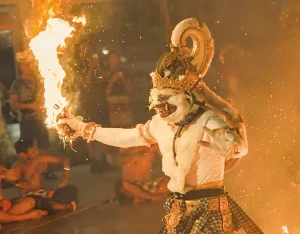
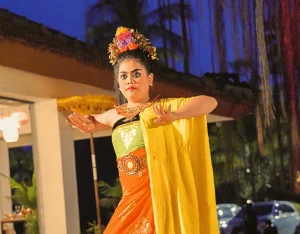
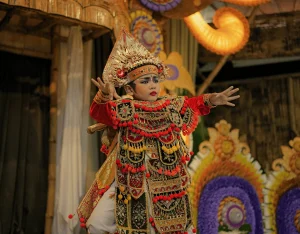
At Sawelas Nusantara, the essence of Bali’s village life finds new expression alive on stage, yet deeply rooted in authenticity. The performances are not just artistic showcases; they are collective expressions of unity, echoing the same spirit found in the desa adat and banjar.
Each dancer, musician, and artisan contributes their talent as part of a greater whole, reflecting the same collaboration that sustains village life. Sawelas serves as a bridge between tradition and modernity, allowing visitors to experience the beauty of Bali’s communal harmony through art and performance.
📍 Visit us at Bali Collection, Jl. ITDC Nusa Dua Lot BC, Benoa, South Kuta, Badung, Bali.
📅 Check our Event Schedule and experience how Bali’s village traditions come alive through movement, music, and togetherness.
Art flows like village life built on unity, shared devotion, and the timeless rhythm of community.