Not all stories are written down. Some are remembered through the body carried in gestures, rhythm, and movement that pass quietly from one generation to the next. In Bali, dance is more than a performance it is a living memory. Through movement, the island preserves its history, beliefs, and identity, allowing stories from the past to remain present today. But how can something as fluid as movement hold memories that last for centuries?
Dance as a Living Archive of Culture
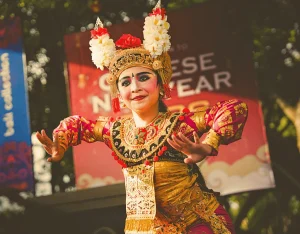
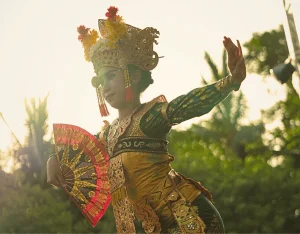
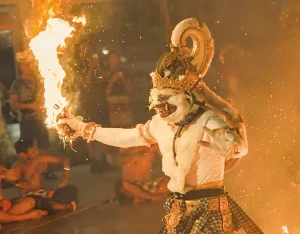
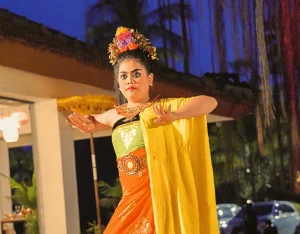
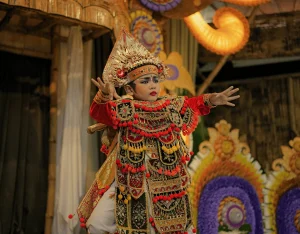
In Balinese culture, dance functions as a living archive. Long before stories were recorded in books, they were embodied through movement. Each gesture reflects mythology, ritual, and philosophy shaped by generations before. When a dancer performs, they are not simply expressing themselves they are continuing a cultural narrative carefully preserved through discipline, repetition, and respect.
Unlike written history, dance survives only when it is practiced. Its memory is sustained through observation, imitation, and direct transmission from teacher to student. This is why Balinese dance feels deeply rooted and intentional. Every movement carries layers of meaning shaped by collective memory rather than individual expression.
How Movement Keeps Stories Alive Across Generations
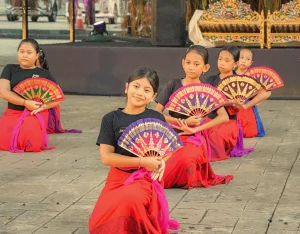
From a young age, Balinese children are introduced to dance as part of cultural education. Through learning movement, they also learn values respect, balance, devotion, and awareness. The body becomes a vessel for memory, absorbing stories that words alone cannot fully explain.
As dancers grow, they carry these movements forward, ensuring that cultural knowledge does not fade with time. Each generation adds continuity rather than disruption, honoring the past while keeping it alive in the present. Through this process, stories of gods, ancestors, rituals, and community life remain active not frozen in history, but renewed each time the dance is performed.
Why Cultural Memory Matters in a Globalized World
In a rapidly changing world, cultural memory can easily be lost. Globalization, digital media, and fast paced lifestyles often push traditions to the margins. Yet many cultures across the world from indigenous rituals to classical traditionscontinue to rely on movement as a way to remember who they are.
Bali offers a powerful example. Here, dance allows culture to remain visible, practiced, and lived. For visitors, witnessing this process is more than watching a performance it is observing a culture in the act of remembering itself. Through dance, Bali reminds us that identity is not only held in the mind, but sustained through the body.
Sawelas Nusantara as a Keeper of Cultural Memory
At Sawelas Nusantara, this cultural memory is carefully honored and shared. Each performance brings stories from Bali’s past into the present, carried through disciplined movement and deep respect for tradition. Dancers do not simply perform choreography they embody narratives passed down through generations.
Through live performances and educational workshops, Sawelas invites both local and international audiences to experience how memory lives within movement. Guests gain insight into the meaning behind gestures, the stories behind the dances, and the importance of preserving traditions through practice. In this way, Sawelas becomes a bridge connecting ancestral memory with a global audience seeking a deeper understanding of Bali beyond the surface.
Dance reminds us that culture does not disappear as time passes. It survives through movement, through teaching, and through spaces where tradition is respected and shared.
📍 Visit us at Bali Collection, Jl. ITDC Nusa Dua Lot BC, Benoa, South Kuta, Badung, Bali
📅 Check our Event Schedule and experience traditional performances that keep Bali’s stories alive through movement.
When movement is remembered, culture continues to breathe.