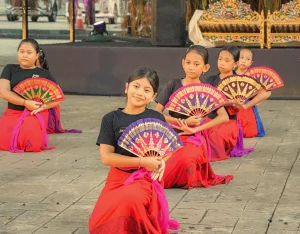
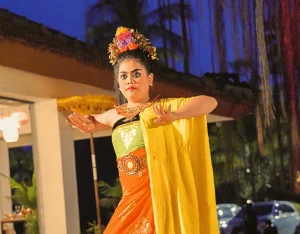
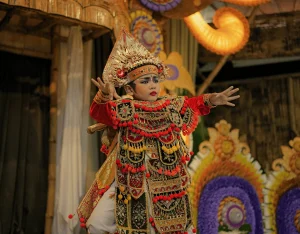
Across Bali, a subtle shift is taking place. Away from crowded stages and commercial performances, traditional arts are finding new life in quieter spaces practice rooms, community courtyards, and cultural hubs shaped by intention rather than spectacle.
This revival is not marked by loud announcements or viral moments. Instead, it unfolds through commitment, curiosity, and renewed participation, particularly among younger generations. What is driving this quiet return to tradition, and how is it reshaping modern Bali’s cultural landscape?
A New Generation Returning to Tradition
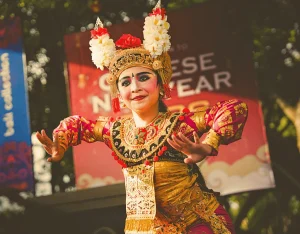
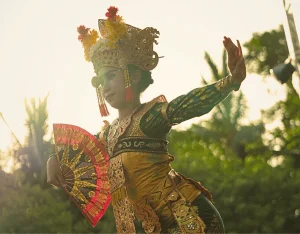
In recent years, more young Balinese have begun reconnecting with traditional arts not as inherited obligation, but as personal choice. Dance, music, and ritual practices are approached with curiosity and care, often outside formal or commercial settings.
For many, this return offers grounding. Traditional arts provide structure, discipline, and a sense of belonging in a rapidly changing world. Rather than feeling restrictive, tradition becomes a space for identity, expression, and continuity. This shift reflects a broader movement one that values participation over performance and depth over visibility.
The Importance of Non Commercial Cultural Spaces
Alongside this generational interest, non-commercial cultural spaces play a vital role in sustaining tradition. These environments prioritize practice, learning, and shared experience rather than ticket sales or fixed schedules.
Here, traditional arts are not packaged for consumption. Rehearsals remain open, learning is communal, and time is given to process. Without commercial pressure, tradition is allowed to grow with sincerity through repetition, discipline, and care. These spaces quietly support cultural continuity while allowing organic evolution.
Tradition Within a Modern Cultural Landscape
Bali’s cultural identity is often associated with visibility festivals, performances, and global exposure. Yet this quiet revival reveals another form of resilience, one that exists beyond the spotlight.
When practiced regularly within community oriented spaces, traditional arts remain adaptable without losing meaning. This balance challenges the idea that preservation requires isolation or that sharing leads to dilution. Instead, it suggests that tradition survives best when it is lived consistently, not displayed occasionally.
Witnessing the Revival at Sawelas Nusantara
At Sawelas Nusantara reflects this quiet revival through its approach to cultural engagement. Beyond performances, Sawelas functions as a living cultural space supporting traditional arts through practice sessions, workshops, and community based programs.
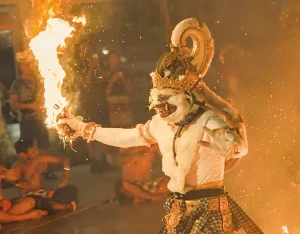
Here, younger generations learn alongside experienced practitioners, guided by continuity rather than recognition. Dance rehearsals, music sessions, and cultural workshops unfold as part of an ongoing rhythm, where tradition is sustained through participation and shared commitment.
By offering space for non commercial cultural activity, Sawelas contributes to a broader movement one that keeps traditional arts relevant, accessible, and deeply rooted in modern Bali.
📍 Visit us at Bali Collection, Jl. ITDC Nusa Dua Lot BC, Benoa, South Kuta, Badung, Bali
📅 Check our Event Schedule and discover Balinese arts in a cultural space where tradition grows through practice and community.
Sometimes, the most meaningful cultural revivals happen quietly.