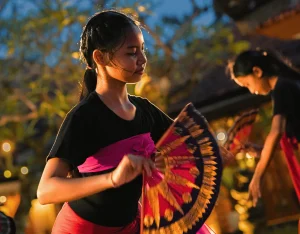
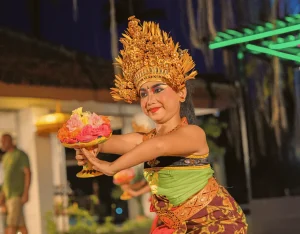
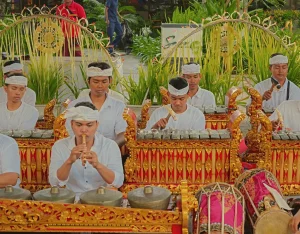
Across Bali, culture does not live only in grand theaters or large scale commercial productions. It thrives in community halls, temple courtyards, and neighborhood stages where local festivals bring people together. These community initiatives play a crucial role in sustaining the performers that many visitors may not always see on major platforms. For small dance groups, young musicians, and banjar based art collectives, these events create opportunities that are both artistic and economic. But how exactly do these local festivals empower grassroots talent and why does this model matter for the future of sustainable tourism?
A Stage for Small Cultural Performers
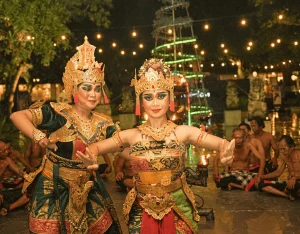
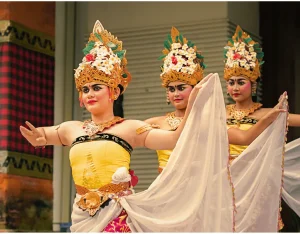
Community festivals provide accessible performance space for local groups that may not have the resources to join large commercial shows. Many traditional dance troupes and gamelan ensembles operate at the banjar level, practicing regularly but performing primarily during religious ceremonies. Through local events, these groups gain essential public visibility.
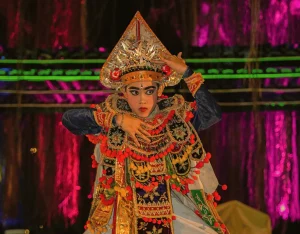
Young dancers experience performing before broader audiences, and traditional musicians refine their skills outside ritual settings. Smaller collectives gain confidence and recognition without needing massive production budgets, proving that community models nurture grassroots talent by providing a necessary stepping stone.
Economic and Social Impact on Local Communities
Beyond artistic exposure, festivals generate tangible economic benefits. Performers receive honorariums, while costume makers, stage crews, and local organizers find work opportunities. Food vendors and small businesses benefit from increased foot traffic, creating a ripple effect that strengthens the local economy at a micro level. Socially, these events reinforce pride and collective identity.
When neighborhoods organize festivals, participation becomes a shared responsibility. Culture is not outsourced to a third party it is produced, managed, and celebrated by the community itself, ensuring its long term survival.
Authentic Experiences for Visitors
For travelers, community festivals offer something different from grand-scale spectacles. They tend to be more intimate, allowing for closer interaction between performers and audiences. Visitors can observe the preparation, understand the stories behind the dances, and sometimes even engage in informal conversations with the artists.
This proximity creates immense educational value. Instead of consuming culture as a distant spectacle, visitors experience it as a living tradition. This model helps distribute tourism beyond major commercial hubs, supporting a more balanced and sustainable ecosystem where authentic engagement strengthens appreciation on both sides.
Sustaining the Ecosystem at Sawelas Nusantara
The future of Bali’s cultural landscape depends on these bridges between local artists and wider audiences. Without regular platforms, many small art groups risk limited exposure outside of ceremonial contexts. This is why decentralized, community-based cultural spaces are becoming more vital than ever.
At Sawelas Nusantara contributes to this vibrant ecosystem in Nusa Dua by offering accessible stages and consistent programming. By providing a professional yet intimate space for cultural expression, Sawelas aligns with the goals of community-based development. Here, tradition is not just a show for the evening; it is a collaborative effort that connects local performers with global visitors, ensuring that Bali’s artistic heritage remains as strong as the communities that sustain it.
📍 Visit Bali Collection, Jl. ITDC Nusa Dua Lot BC, Benoa, South Kuta, Badung, Bali
📅 Check our Event Schedule and explore upcoming cultural programs community driven performances.
Community festivals in Bali are more than events; they are platforms of opportunity.