Bali is often celebrated for its stunning beaches and vibrant nightlife, but the island’s soul lies in its ceremonies. Among the most unique and profound traditions is Nyepi, Bali’s Day of Silence, which is preceded by the spectacular Ogoh-Ogoh parade. These two events capture the essence of Balinese spirituality: a blend of ritual, reflection, and community spirit. But what makes Nyepi and the Ogoh-Ogoh parade such powerful cultural experiences for both locals and visitors?
The Meaning of Nyepi: Bali’s Day of Silence
Unlike other New Year celebrations around the world, Bali welcomes the Saka New Year with stillness. On Nyepi Day, the entire island falls into silence for 24 hours. No lights, no travel, no work, and no entertainment only meditation, fasting, and reflection.
For the Balinese, Nyepi is a sacred opportunity to cleanse the soul, reconnect with nature, and restore balance between humans, the environment, and the divine. The quiet streets and darkened skies remind visitors that Bali is more than a tourist destination it is a place where spirituality shapes everyday life.
Ogoh-Ogoh Parade: A Night of Fire and Celebration
The silence of Nyepi is preceded by one of Bali’s most dramatic spectacles: the Ogoh-Ogoh parade. On the eve of Nyepi, villages across the island build giant statues made from bamboo, wood, and paper, representing demons and negative forces. These towering figures, painted in vivid colors and lit by torches, are carried through the streets with music, chanting, and dancing.
The purpose of the Ogoh-Ogoh is symbolic it is a ritual of exorcism, driving away evil spirits before the new year begins. After the parade, many of the statues are burned, signifying purification and the victory of harmony over chaos. For travelers, this event is both thrilling and meaningful, blending artistry, mythology, and community participation into a single unforgettable night.
A Cultural Experience Beyond Tourism
Nyepi and the Ogoh-Ogoh parade are not staged performances; they are living rituals deeply rooted in Balinese Hindu philosophy. For locals, these ceremonies reinforce values of balance and harmony. For visitors, they provide insight into Bali’s spiritual identity.
Witnessing the Ogoh-Ogoh parade is an awe-inspiring way to see creativity at work. Entire villages come together to design and construct statues, turning streets into outdoor galleries of mythological art. Experiencing Nyepi itself, where the island becomes quiet and reflective, gives travelers a rare opportunity to pause and feel the rhythm of life in a different way.
These ceremonies remind the world that cultural tourism is not only about sightseeing, but about engaging with traditions that carry universal lessons of renewal, balance, and respect for nature.
From Ceremony to Stage: Nyepi’s Spirit in Balinese Dance
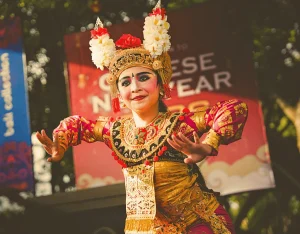
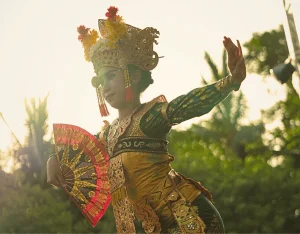
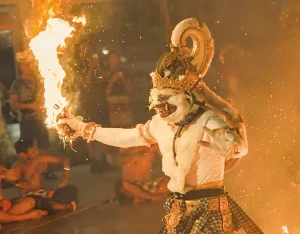
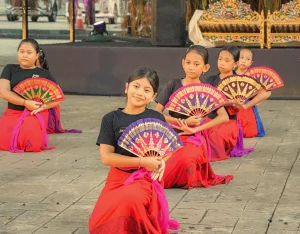
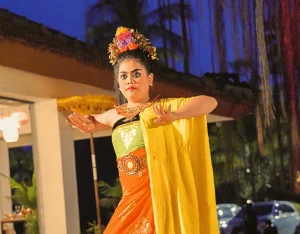
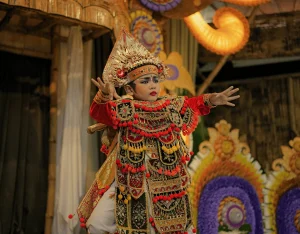
Although Nyepi and the Ogoh-Ogoh parade are community wide rituals, their spiritual values are also expressed through Balinese performing arts. At Sawelas Nusantara, visitors can witness how themes of balance, purification, and harmony are carried into dance. Performances such as the Barong dance dramatize the eternal struggle between good and evil, echoing the same philosophy behind Nyepi’s silence and the Ogoh-Ogoh ritual.
Through authentic shows and interactive workshops, Sawelas creates a bridge for travelers to understand these traditions more deeply. Instead of only observing ceremonies from afar, guests can learn how costumes, gestures, and storytelling capture the symbolic spirit of Bali’s great rituals.
📍 Visit Sawelas Nusantara at Bali Collection, Jl. ITDC Nusa Dua Lot BC, Benoa, South Kuta, Badung, Bali.
📅 Check our Event Schedule to plan your visit and witness how Balinese traditions come to life.
Discover the deeper meanings of Bali’s great ceremonies and experience them firsthand through dance and culture at Sawelas Nusantara.