The world today feels smaller than ever. Cultures travel rapidly through screens, social media, and global tourism. Traditions that once belonged to specific places can now be seen from anywhere. While this visibility brings opportunity, it also raises an important question: in a globalized world, how can cultural heritage survive, evolve, and remain meaningful?
In places like Bali where culture is not a performance but a way of life this question feels especially relevant. The island stands at the meeting point of tradition and modernity, offering insight into a future where heritage is not preserved by resisting change, but by guiding it with awareness.
Cultural Heritage in a Rapidly Changing World
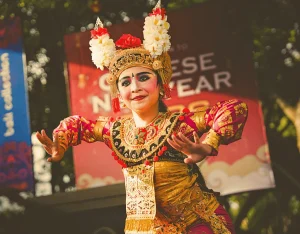
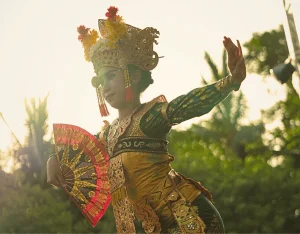
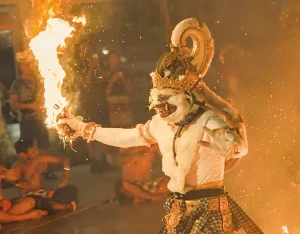
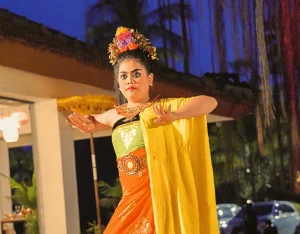
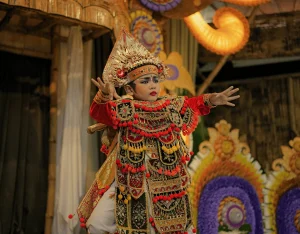
Globalization has made traditional arts more visible than ever before. Balinese dance, music, and ritual are admired worldwide. Yet increased exposure also brings risk. When traditions are separated from their cultural context, they can become simplified appreciated for appearance rather than understood for meaning.
Cultural heritage is more than something to be displayed. It carries values, beliefs, spiritual understanding, and collective memory. Without thoughtful care, these deeper layers can fade, leaving only the surface behind. The challenge today is not visibility, but preservation with integrity ensuring that culture is shared without losing its soul.
When Tradition Meets Modern Life
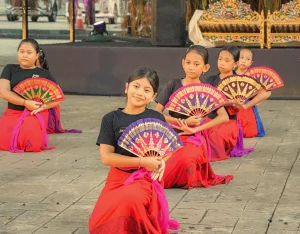
Heritage does not survive by remaining unchanged. In Bali, tradition continues because it adapts while staying rooted. Dance is still taught from teacher to student, rituals are practiced within communities, and music remains a living part of daily life. At the same time, cultural expressions find new spaces through performances, workshops, and educational programs that engage both locals and visitors.
This balance allows tradition to remain alive rather than frozen in time. Cultural heritage thrives when it is practiced, experienced, and passed on, not when it is preserved behind glass. Bali demonstrates that honoring the past does not mean rejecting modernity, but moving forward with respect.
The Role of Experience in Preserving Cultural Heritage
One of the strongest ways to protect cultural heritage is through experience. Watching a performance may inspire admiration, but learning its meaning creates connection. When people experience culture directly through live performances, music, or guided workshops they become part of its continuation.
For travelers, meaningful cultural experiences encourage appreciation rather than consumption. For communities, responsible sharing helps sustain tradition both socially and economically. Experience creates memory, and memory creates care. This is how heritage travels safely into the future.
Sawelas Nusantara and the Future of Living Traditions
At Sawelas Nusantara, cultural heritage is treated as something living, not static. Performances are presented with respect for their origins, while workshops and cultural programs invite visitors to understand the meaning behind movement and music. Tradition here is not simplified it is explained, shared, and honored.
Sawelas plays a role in connecting generations. By supporting local artists, providing space for cultural education, and welcoming international audiences with awareness, Sawelas contributes to a future where Balinese heritage remains relevant and respected. Through performance, learning, and storytelling, tradition continues to grow without losing its roots.
The future of cultural heritage depends on how it is shared today. When culture is experienced with understanding, passed on with care, and supported by responsible spaces, it moves forward with integrity. In a globalized world, living traditions remind us that progress and preservation can exist in harmony.
📍 Visit us at Bali Collection, Jl. ITDC Nusa Dua Lot BC, Benoa, South Kuta, Badung, Bali
📅 Check our Event Schedule and experience cultural performances and learning spaces where Balinese traditions continue to grow with meaning.
The future of culture lives in how we choose to experience and protect it today.