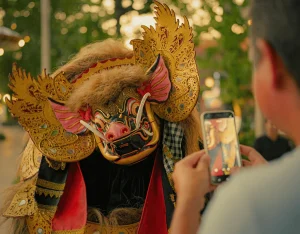
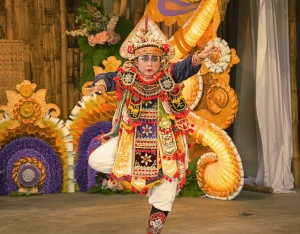
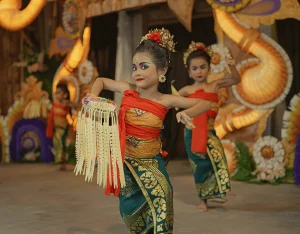
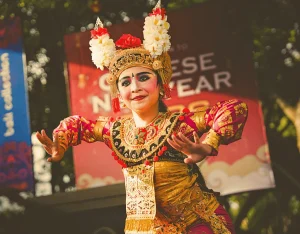
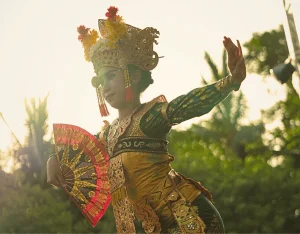
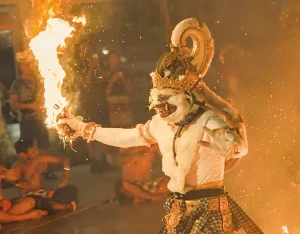
As the afternoon light softens over a Balinese village, the bale banjar begins to fill with life. Children practice dance steps on the open pavilion floor, their small fingers tracing gestures passed down for generations. The gentle sound of gamelan drifts from a group of young musicians rehearsing nearby. Mothers sit in a circle weaving flowers into offerings, their voices rising and falling in warm conversation.
In Bali, the bale banjar is more than a communal hall it is the heartbeat of daily life, a living space where culture, cooperation, and tradition come together seamlessly. What makes the bale banjar the beating heart of Balinese cultural life?
Bale Banjar as the Social and Cultural Core of the Community
Every village in Bali has a bale banjar the central gathering place where people meet, discuss village matters, resolve conflicts, practice the arts, and prepare for ceremonies.
At its foundation is menyama braya, the Balinese philosophy of kinship and unity. In the banjar, everyone has a role: elders offer wisdom, adults take responsibility, teenagers support preparations, and children learn simply by being present.
A bale banjar is not defined by its architecture, but by the lives and values it holds. It is here that cultural identity is protected, strengthened, and passed down from one generation to the next.
Tradition in Motion: Daily Activities That Keep Culture Alive
Throughout the day, the bale banjar transforms into a vibrant cultural classroom.
Children rehearse traditional dance, teenagers practice gamelan, and mothers craft offerings for upcoming ceremonies. Before major celebrations like Galungan, Kuningan, and Odalan, the space becomes especially active decorations prepared, movements refined, and instruments tuned.
In this communal atmosphere, young people learn not just technique, but discipline, cooperation, and respect. The bale banjar becomes an informal school of culture, where knowledge flows naturally through shared experience.
Harmony, Cooperation, and the Spirit of Gotong Royong
At the heart of every activity in the bale banjar is gotong royong the spirit of working together.
Whether organizing a festival, repairing a shrine, or preparing a performance, the community acts in unity. Dancers rehearse, musicians refine their rhythm, priests prepare offerings, artisans create decorations, and children help with small tasks.
This cooperation keeps Balinese traditions resilient despite modern changes. The bale banjar stands as a symbol of harmony and shared responsibility showing that culture thrives when created collectively.
Sawelas Nusantara: Bringing the Spirit of the Banjar to the Stage
The essence of the bale banjar unity, creativity, and devotion is reflected in the performances of Sawelas Nusantara in Nusa Dua.
Here, dancers, musicians, and cultural mentors gather much like they do in village halls. They practice, collaborate, and shape each performance as a community. Sawelas Nusantara becomes a modern reflection of the banjar’s soul, offering visitors more than entertainment an experience of Balinese togetherness and cultural warmth.
📍 Visit Us at Bali Collection, Jl. ITDC Nusa Dua Lot BC, Benoa, South Kuta, Badung, Bali.
📅 Check our Event Schedule and Experience the living spirit of Bali’s community.
In the spirit of the bale banjar, culture thrives through togetherness a reminder that tradition lives strongest when a community moves as one.