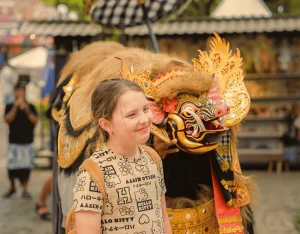
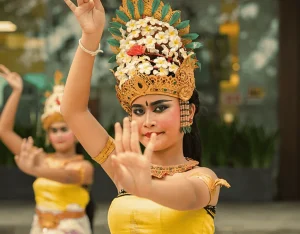
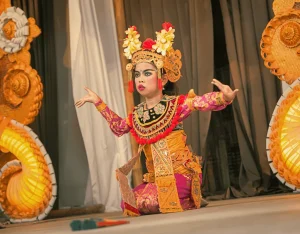
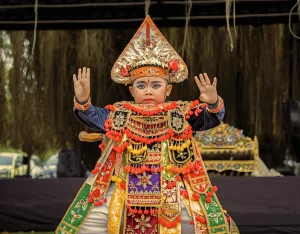
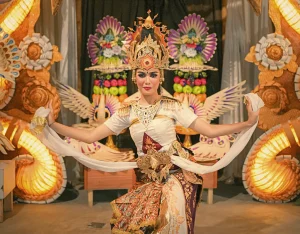
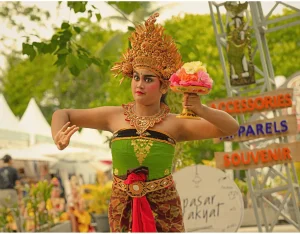
Across many cultural destinations, tourism brings visibility, economic opportunity, and global exchange. Yet, it also introduces significant pressure especially in places where tradition is not a staged performance, but a living system of belief. As visitor numbers increase and cultural experiences evolve into attractions, a critical question arises: how can destinations balance tourism development with the integrity of their traditions?
When Culture Becomes a Product
Mass tourism often transforms culture into scheduled performances, packaged rituals, and simplified narratives designed to meet visitor schedules. While accessibility can encourage appreciation, it creates a slippery slope toward commodification. Commodification occurs when cultural expressions are detached from their context and reduced to mere visual appeal.
Ritual dances risk becoming shortened spectacles, sacred objects may be treated as decorative props, and complex traditions are condensed into “bite sized” formats. The issue is not the presence of tourism itself, but the model through which culture is framed and delivered.
Cultural Consumption vs. Cultural Respect
A meaningful distinction exists between cultural consumption and cultural respect. Consumption prioritizes efficiency, convenience, and spectacle. Respect, on the other hand, begins with the understanding that traditions carry histories, spiritual intentions, and social responsibilities that cannot always be translated into a performance.
Respectful tourism recognizes that communities hold authority over how their traditions are shared. It accepts that certain rituals remain within sacred boundaries, while others may be presented publicly with appropriate guidance. When visitors are invited to learn rather than simply observe, tourism becomes a form of cultural dialogue rather than extraction.
Building an Ethical Model
An ethical balance emerges when tourism operates through collaboration and awareness. Communities must remain at the center of decisions regarding how their arts and rituals are presented, ensuring that representation aligns with local values. At the same time, visitors benefit from educational framing stories and context that deepen understanding beyond the visual experience.
Equally important is the preservation of sacred limits. Clear distinctions between ritual space and public presentation protect the spiritual core of traditions. When collaboration, education, and boundaries work together, tourism can support cultural continuity instead of eroding it.
Sawelas Nusantara and a Conscious Approach
At Sawelas Nusantara, reflects this considered approach to cultural tourism. Rather than positioning Balinese arts as pure entertainment, Sawelas presents them within their proper context, inviting audiences to understand the values and processes behind each expression.
Through performances accompanied by storytelling, as well as workshops that encourage participation, Sawelas fosters engagement grounded in respect. Cultural activities are shared thoughtfully, ensuring that sacred-rooted traditions are not separated from their meaning. In this way, tourism becomes an encounter shaped by awareness rather than consumption.
📍 Visit us at Bali Collection, Jl. ITDC Nusa Dua Lot BC, Benoa, South Kuta, Badung, Bali
📅 Check out Event Schedule and Explore Balinese culture through experiences grounded in context, respect, and shared understanding.
Tradition remains strong where tourism chooses respect over spectacle.